
AUTHOR . SPEAKER
CREATOR OF EVENT ARCHITECTURE
M. SiiM Clarke, B.Arch
25 years designing the experiences that change how people think, work and move through the world.
The moments that change us most,
often happen by accident.
What if they didn't have to?
About SIIM

Trained as an architect and practiced across architecture, interior design, fashion, event architecture and media, SIIM brings a rare systems-level understanding of how experiences are conceived, delivered and remembered.
For much of her career, this work lived behind the scenes, focused on outcomes rather than authorship. Today, she shares the thinking, frameworks and lived experience that shape Event Architecture, making these learnable skills accessible to all.
Author of Gallivant and founder of Event Architecture as a discipline, SiiM speaks on experience design, fashion and creative entrepreneurship.
ABOUT GALLIVANT
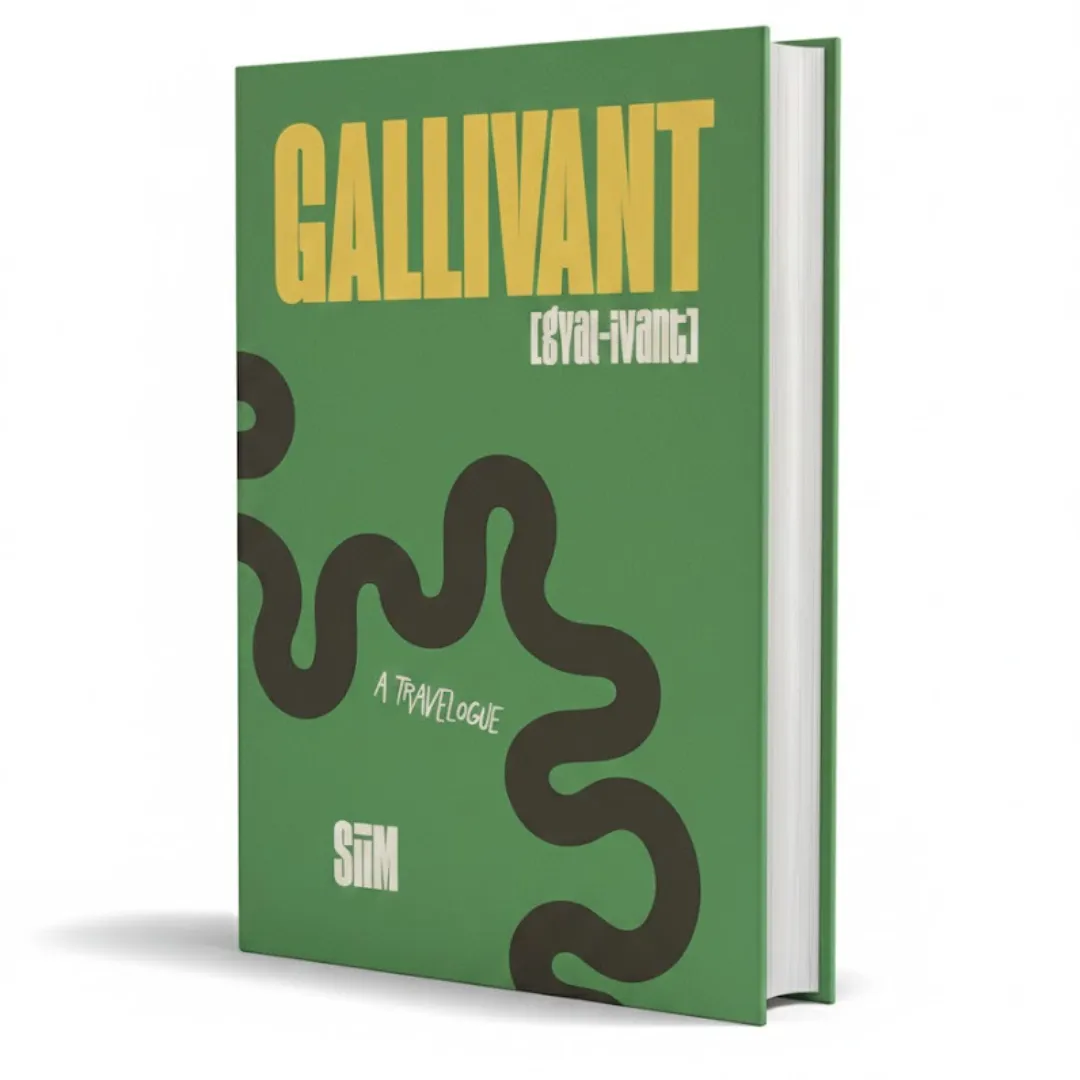
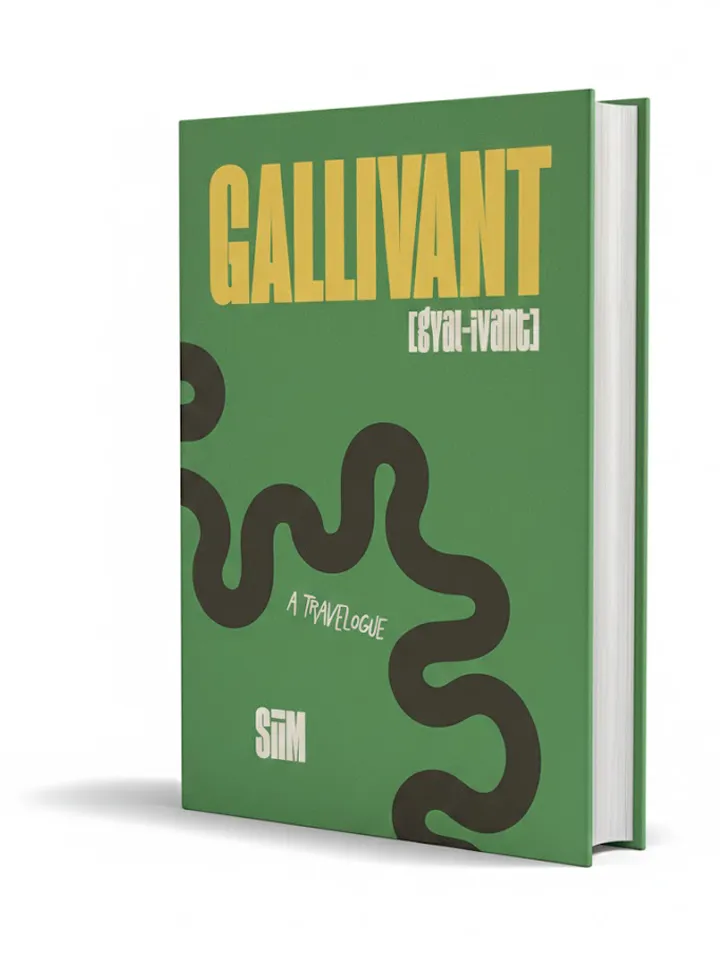
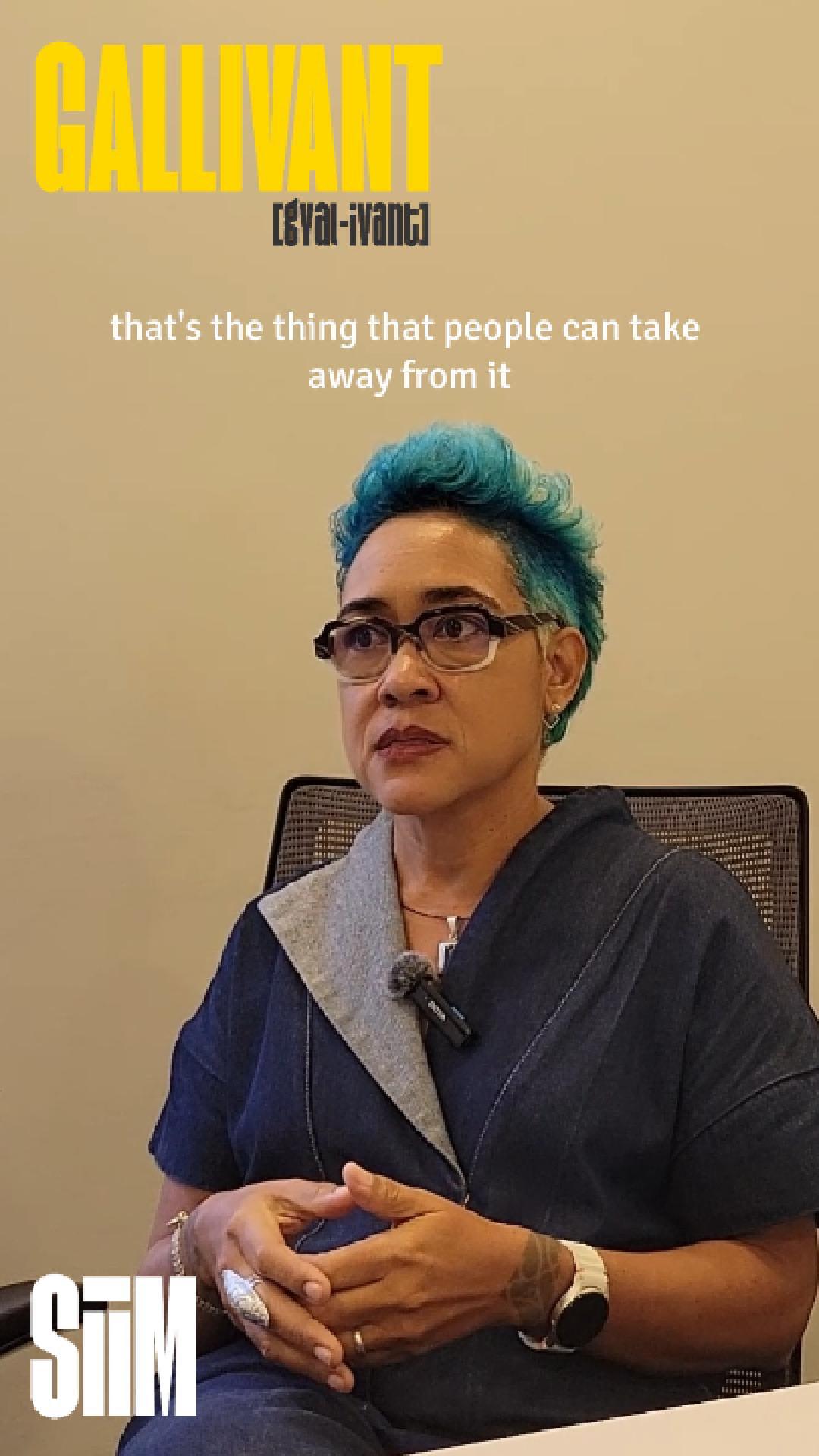
Gallivant is a memoir and cultural meditation on what happens when you move through the world with your eyes open.
Gallivant follows SIIM across continents and encounters, tracing the way travel reshapes identity, perception and belonging, and how moving through unfamiliar places forces a renegotiation of everything you thought you understood about yourself and other people.
The book lays the philosophical groundwork for Event Architecture as a way of seeing. Understanding that curiosity is a discipline, that attention is a skill, and that we should stop treating as background, the experiences shaping us most.
Gallivant is for anyone who has ever felt that their most important education happened somewhere other than a classroom.
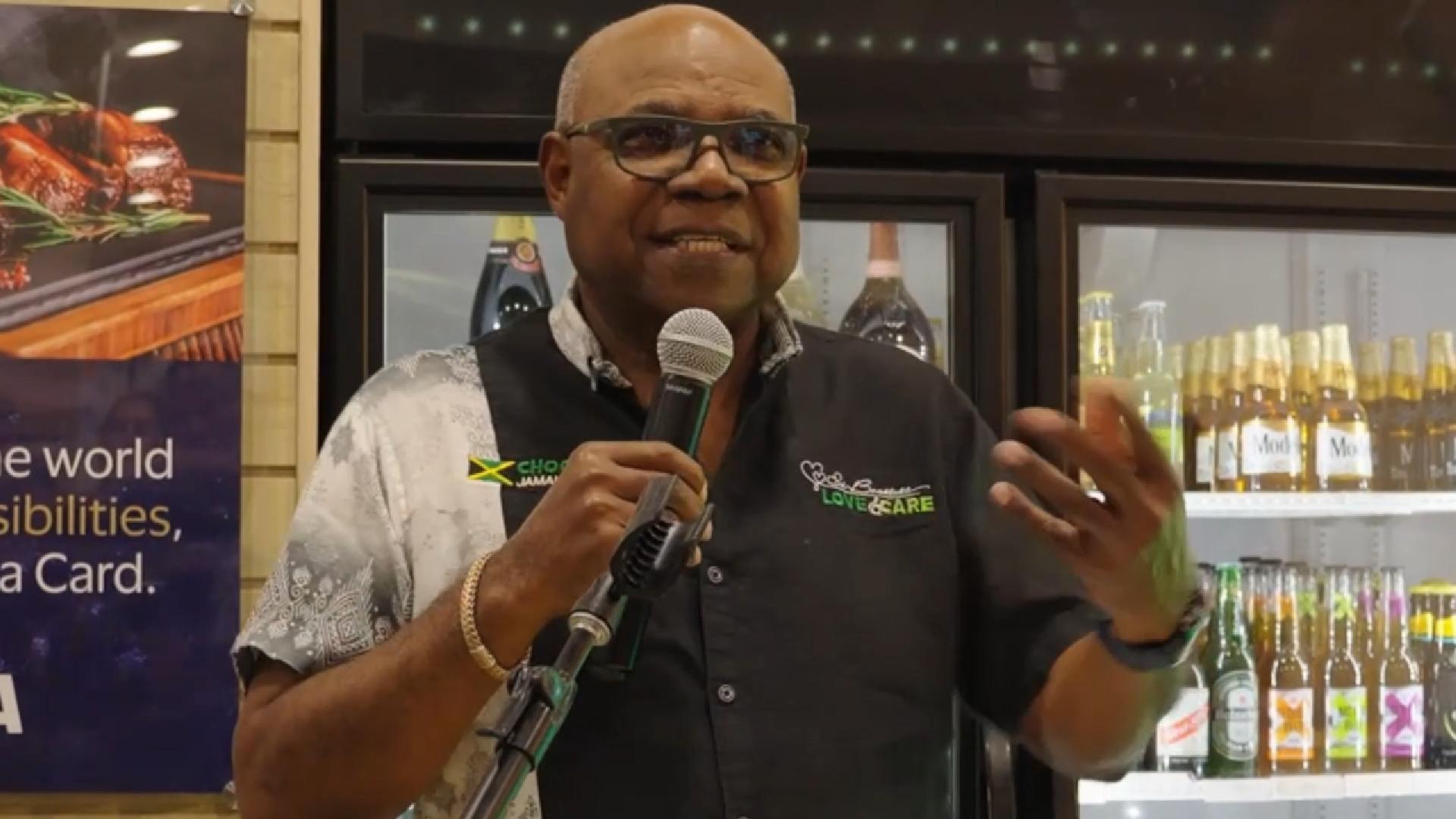
“This book is a meticulously woven mosaic of poetry, passion and personal courage. It is a work of art.”
— Minister of Tourism, Jamaica
Hon. Edmund C. Bartlett, CD, MP
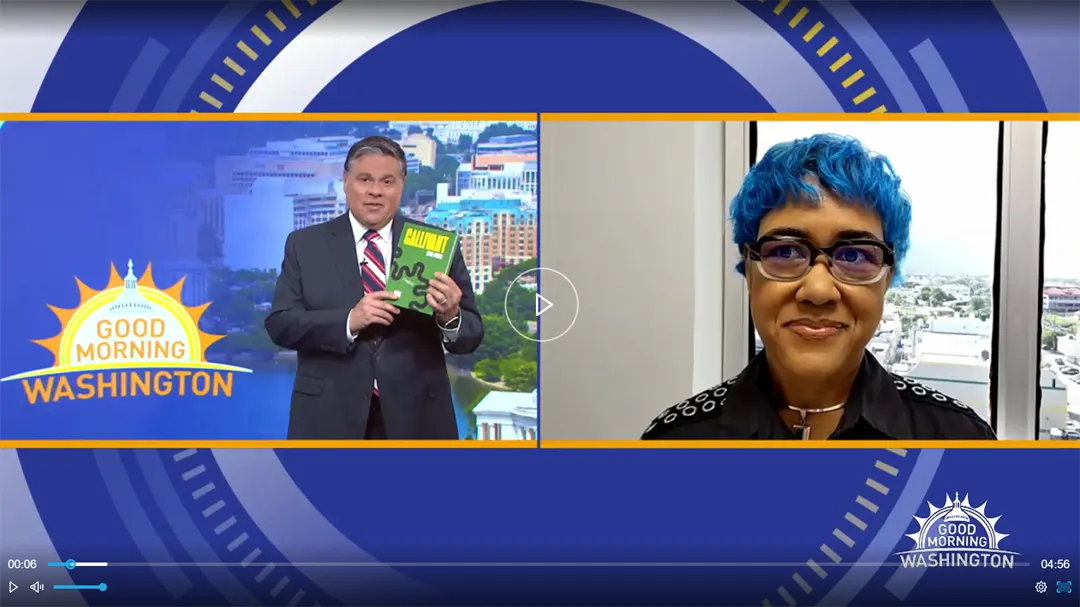
CLICK TO WATCH
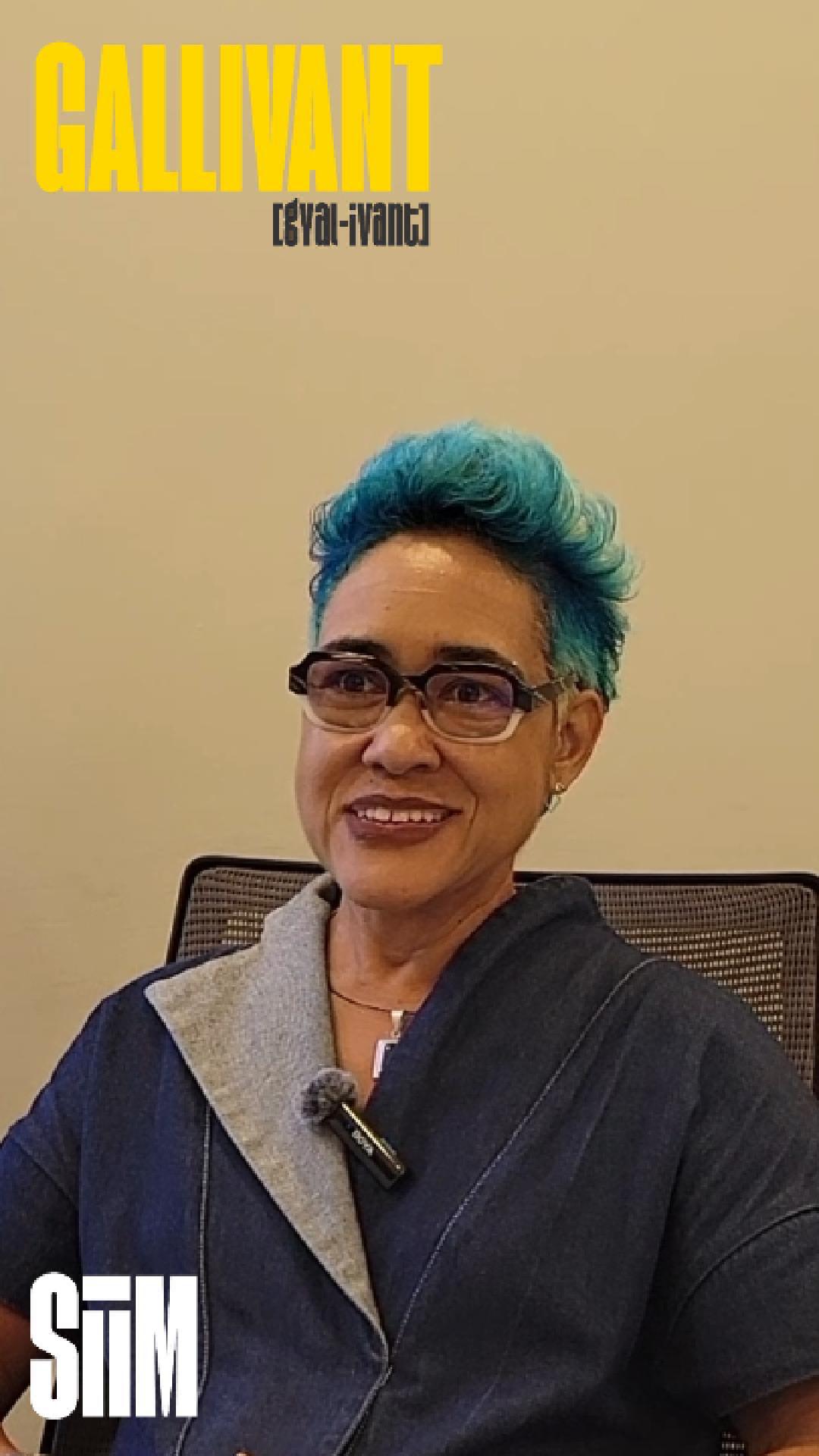
YOU ARE LOSING
YOUR OWN LIFE...
TO A BAD MEMORY.
Most people who want to journal never begin. Not because they have nothing to say... Because they don't know how to start.
This is where you start.
Download my free journaling workbook:
HOW TO GALLIVANT LIKE A BOSS
A Field Guide to Paying Attention

Keynotes · Interviews Seminars · Panel Discussions
Universities | Cultural Institutions | Creative Conferences | Leadership Programmes
If experiences shape how we think, feel, and behave, who is designing them — and to what end?
Drawing from Gallivant, SIIM explores travel as essential homework: a way to relearn curiosity, situational awareness, and emotional literacy. Through story and observation, these talks introduce the foundations of Event Architecture as a way of seeing, offering audiences practical
insight into how to curate their own lives with greater intention.
If experiences shape how we think, feel, and behave, who is designing them? And to what end?
SIIM's talks draw from Gallivant, from Event Architecture, and from 25 years of practice across architecture, film, fashion and cultural strategy.
They are built for audiences who are ready to think differently about how experiences — organizational, cultural, personal — are designed and why that design matters.
SELECTED TALKS
Travel As Homework
How moving through unfamiliar places rebuilds the cognitive and emotional faculties that structured environments erode: curiosity, situational awareness, comfort with ambiguity and the ability to learn from people whose reality is genuinely different from your own. A keynote for organizations navigating complexity, change, and cross-cultural collaboration.
Meet Your Inner Architect
Every person is already designing experiences — for their teams, their families, their customers, their communities. Most are doing it accidentally. This talk introduces the core principles of Event Architecture and makes the case that intentional design is not a specialist skill but a human capacity waiting to be developed.
Why Intent Matters More Than Talent
Talent sets a ceiling. Intent sets a direction. Drawing from architecture, event design, and creative entrepreneurship, this talk examines how the clearest outcomes in any complex project come not from exceptional individuals but from the quality of the intent that structured the work from the beginning.
Learning to Let Go
On the creative and strategic discipline of knowing when a design — a project, a relationship, a business model — is finished. What architecture taught about the difference between abandonment and completion, and how leaders can apply that distinction to the decisions that matter most.
Knowing When to Exit
Strategic disengagement is one of the least-taught and most valuable leadership skills. When to leave a room, a market, a partnership, a version of yourself. A talk about the architecture of endings — and why the quality of your exits determines the quality of everything that comes after.
SIIM has designed across architecture, interior design, fashion, events and culture, working in both Jamaican and international contexts. This cross-disciplinary, globally informed practice brings a nuanced understanding of how experiences function across cultures, scales and systems.
TRUSTED BY














TESTIMONIALS

“SIIM fundamentally changed how we think about design — not as decoration, but as strategy.”

“Working with SIIM brought clarity to a complex project and aligned teams that were previously pulling in different directions.”

“SIIM has a rare ability to see what others miss and design accordingly.”

Is your organisation designing experiences on purpose?
The EA Alignment Blindspot Executive Workshop
On-site · Half day or full day · Leadership teams
Every organisation is already in the business of experience design. Offsites, town halls, brand activations, onboarding programmes, client events, culture moments — these are not administrative functions. They are the primary medium through which leadership intention becomes lived organisational reality. Most are designed accidentally. The gap between what they cost and what they produce is rarely examined because no one has a framework for examining it.
The Alignment Blindspot Executive Workshop gives leadership teams that framework. Drawing from architecture, cultural strategy, and 25 years of practice in the environments where high-stakes human experiences actually occur, this session introduces a systems-level approach to experience design: how to diagnose what an experience is actually producing, how to define what it should produce, and how to build the conditions for that outcome before the experience begins.
Participants leave with a reusable decision-making structure applicable to any organisational experience, a shared language that aligns teams around outcome rather than logistics, and a fundamentally different way of evaluating the experiences they are responsible for designing.
Event Architecture
The online course. Coming soon.
After decades of working across architecture, interior design, fashion, events, and culture, SIIM has distilled a way of thinking that gives structure to intuition. This course introduces Event Architecture as a practical framework for moving from accidental moments to intentional design, in work, culture and life.
The transformation EA enables is not theoretical. It is grounded in lived, cross-disciplinary practice.
The asynchronous, 12 module online course is designed for both individual learners and teams. For leadership teams seeking an on-site workshop experience, see The Alignment Blindspot Executive Workshop above.
"Curiosity is where intentional living begins.
If this way of thinking resonates, there’s more to explore."
ABOUT
SUPPORT


© Copyright 2026 SIIM. All Rights Reserved.